

No One Gets Through Unscathed
And I mean no one

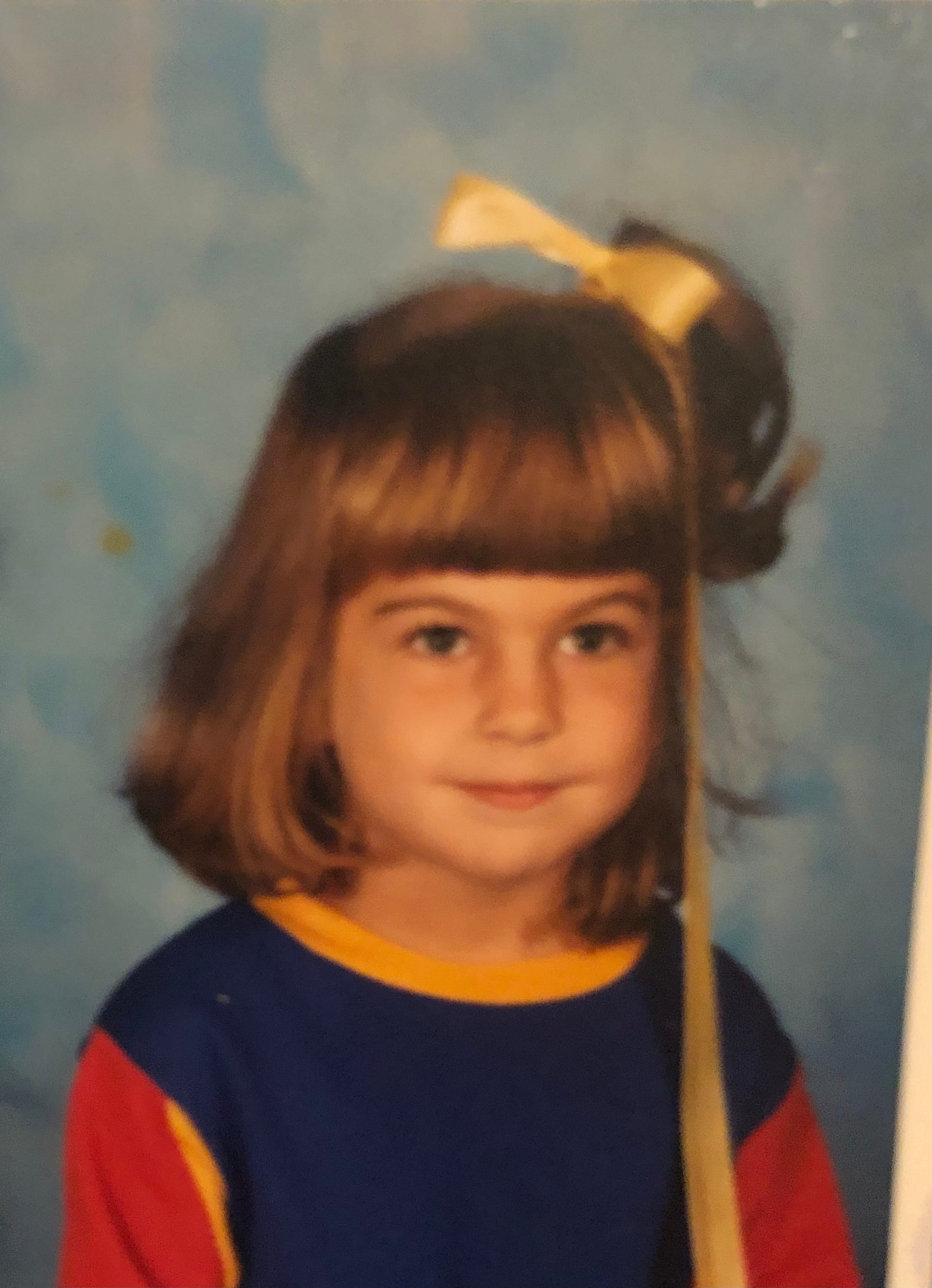
I was in tenth grade when my best friend decided that we shouldn’t be friends anymore. She apparently made this decision and delivered it, like most teenagers would, by ignoring me.
Now this wasn’t just any best friend; she was The One. My bestie since elementary school. The foundation of our friendship was built on the solid, unshakable foundation that most 8-year-old girls know as the one universal and unifying Friend Qualifying Factor—we shared a birthday month.
She was the sun in my social solar system. The Garth to my Wayne. The person I could be The Weirdest with in the whole, wide, already-weird world. I loved her.
Naturally, I was unwell at this turn of events. High school sucks on its own; losing a friendship only made it worse.
So I dealt with it in the only way I could—grinning and bearing it, and asking my mom, on an endless loop, the following questions: Why?; How long will this last?; and This sucks… seriously did I do something wrong??
This isn’t another post about friend woes, but let me tell you how it ended so we can move on: She apologized, we moved on, and we’re friends to this day.
This is, however, a post about a simple revelation I’ve come to—that no one gets through their younger without an experience like this. (If you’re one of the people who has; first, Nice to meet you, WOW; and second, why are you lying?)
So why is this all coming back to me now? Because now is the time I’m seeing my kids go through all the weird social transitions that define youth. And it sucks.
And I’m also realizing something that tenth grade me could never have predicted—that it is somehow just as difficult to witness as a parent as it is for a child to experience.
Never ever would I have guessed this. But parenthood is a laugh-a-minute ride, and this is just one of the many things you deal with raising another human.
Here are some of the things that I’m thinking about, now that I’m parenting kids through this, rather than experiencing it, and now that I have the benefit of hindsight and can “see the lesson” (although, strangely, still feel the hurt):
If we can’t shield them from other people’s behavior, what are some of the things we can do to make them stronger? How can I download into their sweet and impressionable minds that it’s not their fault? How can I convince them that there is nothing that one can ever do—as an adult or child—to make someone see your worth—that they have to want to see it themselves, first and always?
I think what I’m trying to say here is, I want a manual for this, even though there isn’t one. And moreover, I want my kids so badly to understand that not only will this pass, but they’ll also strangely be better for it in the end.
During that period when I lost my friend, I found myself. And I may not have had occasion to do so at such a young age otherwise.
Sure it sucked to walk the school hallways alone, spend Friday nights without plans, not get invited to parties.
But I became my own best friend during that period—reluctantly—and learned the difficult lesson that no one’s approval is worth your begging. No one’s company is so valuable that you should be stuck in a constant state of self-questioning.
Whether you call it pride, or self-preservation, it’s a lesson we all face at some point.
Friendships inevitably ebb and flow, and sometimes it’s no one’s fault that things go sideways. Some friendships are worth throwing out a life raft for; others aren’t.
But guiding my kids through this next phase of their lives (what’s the saying—bigger kids, bigger problems?), at least I have the benefit of the experience of having gone through the same stuff. I’ll know to tell them that sometimes it’s okay to walk away, to let it all go. If it comes back, great; if not, that’s also great. Because we’re not meant to chase what’s not also chasing us.
I felt the need to share this because I know there are so many parents who are in this same stage of life—the one where your kids are starting to break through the shell, so to speak. They need the TLC, but they also need how to learn to find their wings and fly.
And there isn’t any grand lesson but this: You are enough—the girl who was left, or left out.
And they are enough, too. Maybe it’s the belief in our own worthiness that shows them theirs, too.

I hope you enjoyed this post; it’s been so fun opening up on some of the more personal things in my life. If you have an idea for something you’d love to hear more about, let me know!
In the meantime, if this post or any other recent ones have hit home, I’d be grateful for a like, share or forward. Thank you for supporting me here. 🩷



